Citizens demand vote on mayoral charter changes
October 16, 2024 | Glenarden City, Prince George's County, Maryland
This article was created by AI summarizing key points discussed. AI makes mistakes, so for full details and context, please refer to the video of the full meeting. Please report any errors so we can fix them. Report an error »
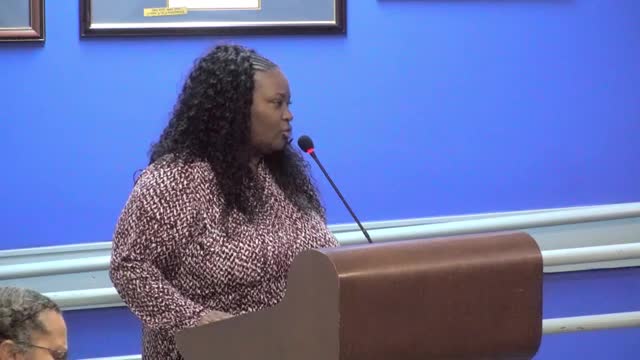
During a recent government meeting in Glenarden, significant discussions emerged regarding proposed changes to the city's charter, particularly concerning the role of the mayor. Community members expressed strong opposition to altering the current structure, which they believe undermines the democratic process of electing a mayor.
One resident passionately argued that any changes to the mayoral position should be decided by the citizens of Glenarden, emphasizing that the council should not unilaterally make decisions that affect the community's governance. \"We voted her in. We support her,\" the resident stated, advocating for a public vote on whether to maintain the mayoral position as it stands.
Another speaker echoed these sentiments, insisting that the citizens should always have the right to elect their mayor, rather than allowing council members to dictate the terms of governance. The consensus among the public speakers was clear: they want to preserve the current checks and balances provided by the elected mayoral position.
In response to these concerns, a council member clarified that the proposed changes would not affect the current mayor, Cross, during her term. However, the discussion highlighted a broader concern about the potential erosion of checks and balances within the city's governance structure.
Legal clarification was provided regarding the process for amending the charter, which can be initiated either by the legislative body or through a petition by voters. The council is required to hold a public hearing and provide notice before voting on any proposed changes, ensuring that community input is considered.
As the meeting progressed, it became evident that the future of Glenarden's governance structure remains a contentious issue, with residents advocating for their right to have a say in how their city is run. The council is expected to revisit the proposed charter amendments in the coming weeks, with public sentiment likely influencing the outcome.
One resident passionately argued that any changes to the mayoral position should be decided by the citizens of Glenarden, emphasizing that the council should not unilaterally make decisions that affect the community's governance. \"We voted her in. We support her,\" the resident stated, advocating for a public vote on whether to maintain the mayoral position as it stands.
Another speaker echoed these sentiments, insisting that the citizens should always have the right to elect their mayor, rather than allowing council members to dictate the terms of governance. The consensus among the public speakers was clear: they want to preserve the current checks and balances provided by the elected mayoral position.
In response to these concerns, a council member clarified that the proposed changes would not affect the current mayor, Cross, during her term. However, the discussion highlighted a broader concern about the potential erosion of checks and balances within the city's governance structure.
Legal clarification was provided regarding the process for amending the charter, which can be initiated either by the legislative body or through a petition by voters. The council is required to hold a public hearing and provide notice before voting on any proposed changes, ensuring that community input is considered.
As the meeting progressed, it became evident that the future of Glenarden's governance structure remains a contentious issue, with residents advocating for their right to have a say in how their city is run. The council is expected to revisit the proposed charter amendments in the coming weeks, with public sentiment likely influencing the outcome.
View the Full Meeting & All Its Details
This article offers just a summary. Unlock complete video, transcripts, and insights as a Founder Member.
✓
Watch full, unedited meeting videos
✓
Search every word spoken in unlimited transcripts
✓
AI summaries & real-time alerts (all government levels)
✓
Permanent access to expanding government content
30-day money-back guarantee
