New facility to revolutionize hazardous waste collection in Illinois
November 13, 2024 | Champaign County, Illinois
This article was created by AI summarizing key points discussed. AI makes mistakes, so for full details and context, please refer to the video of the full meeting. Please report any errors so we can fix them. Report an error »
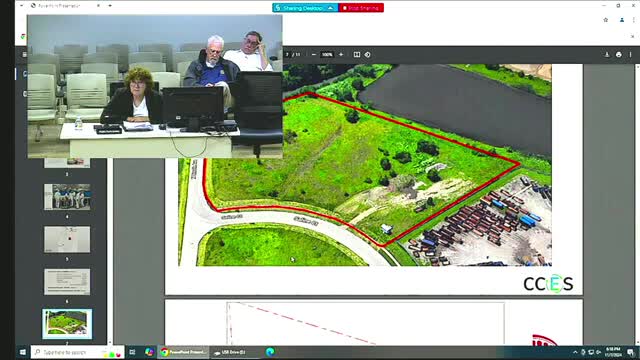
A recent government meeting highlighted significant developments in waste management initiatives in Illinois, particularly focusing on a new facility aimed at enhancing electronic waste and paint recycling efforts. The facility, strategically located in a waste management subdivision with no nearby residents, is set to replace the current biannual electronic waste collection events held at Parkland College.
The proposed site will feature a 5,800 square-foot steel building equipped with two docks and a non-conditioned warehouse for residential electronic waste collection. This facility will also serve as a collection point for the newly established paint care program, which aims to facilitate the recycling of latex paint, previously classified as non-hazardous. The Illinois General Assembly passed this extended producer responsibility act, expected to take effect in 2026, to streamline paint recycling for residents across the state.
In addition to paint, the facility will accommodate battery collection, following the recent passage of a battery stewardship act. The Illinois Environmental Protection Agency (EPA) is backing the project, which is designed to serve all Illinois residents without geographical restrictions. Contractors will also be able to drop off used paint, expanding the facility's utility beyond residential use.
The meeting also addressed the financial aspects of the project, with approximately 40% of the capital campaign goal already achieved. A public kickoff event is scheduled for December 11, aimed at raising further awareness and support for the initiative. Discussions included potential future expansions of the facility to accommodate increasing waste management needs, particularly concerning lithium battery storage.
Moreover, the introduction of extended producer responsibility legislation for household hazardous waste is anticipated in early 2025. This legislation aims to shift financial and management responsibilities from local governments to manufacturers, encouraging environmentally friendly product design and reducing the burden on public resources.
Overall, the meeting underscored a proactive approach to waste management in Illinois, with a focus on sustainability and community engagement. The developments promise to enhance recycling efforts and improve waste disposal processes for residents statewide.
The proposed site will feature a 5,800 square-foot steel building equipped with two docks and a non-conditioned warehouse for residential electronic waste collection. This facility will also serve as a collection point for the newly established paint care program, which aims to facilitate the recycling of latex paint, previously classified as non-hazardous. The Illinois General Assembly passed this extended producer responsibility act, expected to take effect in 2026, to streamline paint recycling for residents across the state.
In addition to paint, the facility will accommodate battery collection, following the recent passage of a battery stewardship act. The Illinois Environmental Protection Agency (EPA) is backing the project, which is designed to serve all Illinois residents without geographical restrictions. Contractors will also be able to drop off used paint, expanding the facility's utility beyond residential use.
The meeting also addressed the financial aspects of the project, with approximately 40% of the capital campaign goal already achieved. A public kickoff event is scheduled for December 11, aimed at raising further awareness and support for the initiative. Discussions included potential future expansions of the facility to accommodate increasing waste management needs, particularly concerning lithium battery storage.
Moreover, the introduction of extended producer responsibility legislation for household hazardous waste is anticipated in early 2025. This legislation aims to shift financial and management responsibilities from local governments to manufacturers, encouraging environmentally friendly product design and reducing the burden on public resources.
Overall, the meeting underscored a proactive approach to waste management in Illinois, with a focus on sustainability and community engagement. The developments promise to enhance recycling efforts and improve waste disposal processes for residents statewide.
View the Full Meeting & All Its Details
This article offers just a summary. Unlock complete video, transcripts, and insights as a Founder Member.
✓
Watch full, unedited meeting videos
✓
Search every word spoken in unlimited transcripts
✓
AI summaries & real-time alerts (all government levels)
✓
Permanent access to expanding government content
30-day money-back guarantee
