Humanitarian crisis deepens as Gaza faces food shortages
November 13, 2024 | United Nations, International
This article was created by AI summarizing key points discussed. AI makes mistakes, so for full details and context, please refer to the video of the full meeting. Please report any errors so we can fix them. Report an error »
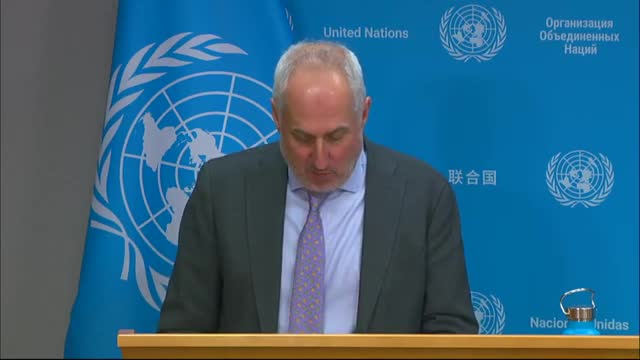
In a recent government meeting, the Secretary-General addressed pressing global issues, emphasizing the urgent need for equitable resource management and humanitarian assistance in conflict zones. He highlighted the exploitation of developing countries, where communities face rights violations and environmental degradation while wealth accumulates elsewhere. The Secretary-General announced a new panel aimed at empowering these communities and ensuring that clean energy initiatives promote resilient growth, with a commitment to include indigenous peoples, local communities, and civil society in decision-making processes.
The meeting also touched on the humanitarian crisis in Sudan, where the extension of the Adre crossing from Chad has allowed the United Nations to deliver vital aid. Since mid-August, over 11,000 metric tons of humanitarian supplies have reached approximately 1.4 million people in need. However, the Secretary-General stressed that while the Adre crossing is crucial, it alone cannot meet the escalating needs across Sudan, urging for the opening of additional routes for aid distribution.
In Gaza, the situation remains dire, with multiple attempts to deliver humanitarian assistance blocked. The Office for the Coordination of Humanitarian Affairs reported that recent missions aimed at providing food and water were impeded, exacerbating the already critical food insecurity. The ongoing conflict has led to severe shortages, with essential food items disappearing from markets and prices skyrocketing. The Secretary-General noted that 79% of the Gaza Strip is under evacuation orders, and efforts to scale up humanitarian responses are hindered by active hostilities and access challenges.
The meeting underscored the urgent need for international cooperation to address these crises, with a call for increased accountability and support for vulnerable populations in both Sudan and Gaza.
The meeting also touched on the humanitarian crisis in Sudan, where the extension of the Adre crossing from Chad has allowed the United Nations to deliver vital aid. Since mid-August, over 11,000 metric tons of humanitarian supplies have reached approximately 1.4 million people in need. However, the Secretary-General stressed that while the Adre crossing is crucial, it alone cannot meet the escalating needs across Sudan, urging for the opening of additional routes for aid distribution.
In Gaza, the situation remains dire, with multiple attempts to deliver humanitarian assistance blocked. The Office for the Coordination of Humanitarian Affairs reported that recent missions aimed at providing food and water were impeded, exacerbating the already critical food insecurity. The ongoing conflict has led to severe shortages, with essential food items disappearing from markets and prices skyrocketing. The Secretary-General noted that 79% of the Gaza Strip is under evacuation orders, and efforts to scale up humanitarian responses are hindered by active hostilities and access challenges.
The meeting underscored the urgent need for international cooperation to address these crises, with a call for increased accountability and support for vulnerable populations in both Sudan and Gaza.
View the Full Meeting & All Its Details
This article offers just a summary. Unlock complete video, transcripts, and insights as a Founder Member.
✓
Watch full, unedited meeting videos
✓
Search every word spoken in unlimited transcripts
✓
AI summaries & real-time alerts (all government levels)
✓
Permanent access to expanding government content
30-day money-back guarantee
