City leaders push for urgent traffic safety improvements
November 13, 2024 | Sweet Home, Linn County, Oregon
This article was created by AI summarizing key points discussed. AI makes mistakes, so for full details and context, please refer to the video of the full meeting. Please report any errors so we can fix them. Report an error »
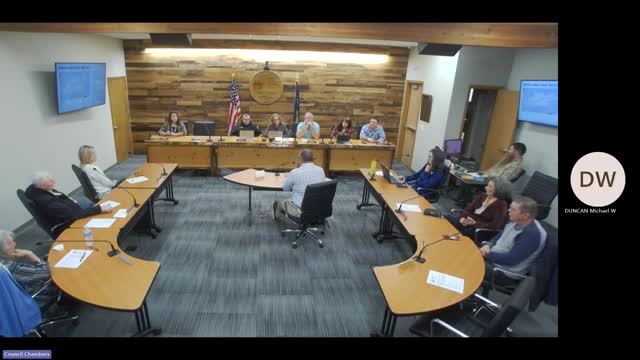
During a recent government meeting, officials discussed pressing safety concerns regarding traffic conditions in the city, particularly at the intersection of Main Street and Pleasant Valley. The conversation highlighted the limitations of current safety data, which primarily reflects actual crashes while neglecting near misses and anecdotal experiences shared by residents. This gap in data has raised alarms about the operational and safety issues at the intersection, including high vehicle speeds and poor sight distances due to vertical curvature.
The meeting underscored the necessity for improvements, with officials noting that any changes to the highway, which falls under the jurisdiction of the Oregon Department of Transportation (ODOT), require formal approval. This includes considerations for freight routes, which are subject to additional reviews by a mobility advisory committee. The officials expressed optimism about making a compelling case for enhancements, whether that involves installing a traffic signal, a roundabout, or another solution.
A significant portion of the discussion revolved around the concept of roundabouts, which have become a common feature in the area. While some council members expressed skepticism about their effectiveness, particularly regarding traffic delays and safety, experts defended roundabouts as a means to reduce severe accidents. They explained that collisions in roundabouts tend to be less severe, often resulting in minor fender benders rather than high-speed crashes typical at traffic signals.
Additionally, the meeting touched on mobility targets, which measure congestion and traffic flow. ODOT employs a volume-to-capacity ratio to assess how full intersections are, contrasting with other cities that may use delay metrics. This distinction is crucial for understanding traffic dynamics and planning future improvements.
As the city moves forward, officials are committed to gathering the necessary data to advocate for enhancements that prioritize safety and efficiency at this critical intersection.
The meeting underscored the necessity for improvements, with officials noting that any changes to the highway, which falls under the jurisdiction of the Oregon Department of Transportation (ODOT), require formal approval. This includes considerations for freight routes, which are subject to additional reviews by a mobility advisory committee. The officials expressed optimism about making a compelling case for enhancements, whether that involves installing a traffic signal, a roundabout, or another solution.
A significant portion of the discussion revolved around the concept of roundabouts, which have become a common feature in the area. While some council members expressed skepticism about their effectiveness, particularly regarding traffic delays and safety, experts defended roundabouts as a means to reduce severe accidents. They explained that collisions in roundabouts tend to be less severe, often resulting in minor fender benders rather than high-speed crashes typical at traffic signals.
Additionally, the meeting touched on mobility targets, which measure congestion and traffic flow. ODOT employs a volume-to-capacity ratio to assess how full intersections are, contrasting with other cities that may use delay metrics. This distinction is crucial for understanding traffic dynamics and planning future improvements.
As the city moves forward, officials are committed to gathering the necessary data to advocate for enhancements that prioritize safety and efficiency at this critical intersection.
View the Full Meeting & All Its Details
This article offers just a summary. Unlock complete video, transcripts, and insights as a Founder Member.
✓
Watch full, unedited meeting videos
✓
Search every word spoken in unlimited transcripts
✓
AI summaries & real-time alerts (all government levels)
✓
Permanent access to expanding government content
30-day money-back guarantee
