Court hears explosive custody battle over child support and education
November 01, 2024 | Judge David D. Wolfe State of Tennessee, Judicial, Tennessee
This article was created by AI summarizing key points discussed. AI makes mistakes, so for full details and context, please refer to the video of the full meeting. Please report any errors so we can fix them. Report an error »
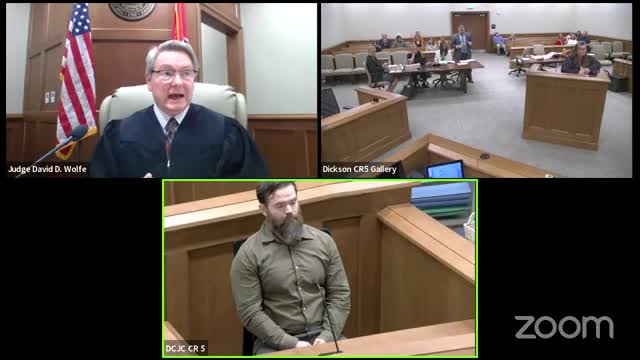
In a recent court hearing, a contentious dispute between two parents over educational decisions for their child highlighted significant communication breakdowns and allegations of contempt. The case centered around whether one parent unilaterally enrolled their child in a pre-kindergarten program without consulting the other, violating a court order that mandates joint decision-making on major issues.
During the proceedings, the father expressed his frustration over not being included in the decision to enroll their daughter in an all-day program, citing concerns about the child's mental health and adjustment to a new environment. He claimed that previous objections to similar decisions had gone unacknowledged, leading him to seek legal counsel rather than directly communicate with the mother.
The mother, a teacher at the school where the child was enrolled, defended her actions by stating that she believed the decision fell under the purview of the guardian ad litem, who had indicated support for the enrollment. She maintained that she had not received any objections from the father until after the program had commenced.
Both parents faced scrutiny regarding their responsibilities, particularly concerning child support payments. The father admitted to missing payments due to an automatic debit issue, while the mother acknowledged that she had not reached out to him about the missed payments. The court emphasized that both parties had failed to adhere to the court's orders, which contributed to the ongoing conflict.
The judge underscored the importance of communication between the parents, suggesting that many of the issues could have been resolved through direct dialogue rather than legal action. Ultimately, the court did not find sufficient evidence of willful contempt by either party, indicating that both parents must improve their cooperation for the sake of their child's well-being. The case serves as a reminder of the critical need for effective communication in co-parenting arrangements.
During the proceedings, the father expressed his frustration over not being included in the decision to enroll their daughter in an all-day program, citing concerns about the child's mental health and adjustment to a new environment. He claimed that previous objections to similar decisions had gone unacknowledged, leading him to seek legal counsel rather than directly communicate with the mother.
The mother, a teacher at the school where the child was enrolled, defended her actions by stating that she believed the decision fell under the purview of the guardian ad litem, who had indicated support for the enrollment. She maintained that she had not received any objections from the father until after the program had commenced.
Both parents faced scrutiny regarding their responsibilities, particularly concerning child support payments. The father admitted to missing payments due to an automatic debit issue, while the mother acknowledged that she had not reached out to him about the missed payments. The court emphasized that both parties had failed to adhere to the court's orders, which contributed to the ongoing conflict.
The judge underscored the importance of communication between the parents, suggesting that many of the issues could have been resolved through direct dialogue rather than legal action. Ultimately, the court did not find sufficient evidence of willful contempt by either party, indicating that both parents must improve their cooperation for the sake of their child's well-being. The case serves as a reminder of the critical need for effective communication in co-parenting arrangements.
Don't Miss a Word: See the Full Meeting!
Go beyond summaries. Unlock every video, transcript, and key insight with a Founder Membership.
✓
Get instant access to full meeting videos
✓
Search and clip any phrase from complete transcripts
✓
Receive AI-powered summaries & custom alerts
✓
Enjoy lifetime, unrestricted access to government data
30-day money-back guarantee
