Voter trust eroded by rise of deep fake ads
This article was created by AI summarizing key points discussed. AI makes mistakes, so for full details and context, please refer to the video of the full meeting. Please report any errors so we can fix them. Report an error »
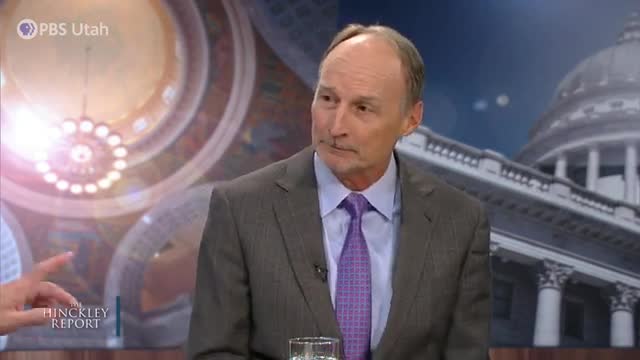
In a recent government meeting, discussions centered around the critical issue of voter integrity and the influence of media on public perception. A notable point raised was the alarming rise in the use of deep fake technology in political advertising, highlighted by a study from Utah Valley University (UVU).
The research revealed a staggering 552% increase in the prevalence of deep fake commercials, raising concerns about their potential to mislead voters. Participants in the study struggled to differentiate between authentic advertisements and manipulated content, with approximately 50% unable to identify deep fakes. This uncertainty extends beyond just the deceptive ads; it has led to a broader skepticism regarding the authenticity of all political commercials, diminishing public confidence in genuine messaging.
The implications of these findings are significant, as they underscore the challenges facing electoral integrity in an era where misinformation can easily proliferate. The meeting participants emphasized the need for heightened awareness and strategies to combat the effects of such deceptive practices on the democratic process.
The research revealed a staggering 552% increase in the prevalence of deep fake commercials, raising concerns about their potential to mislead voters. Participants in the study struggled to differentiate between authentic advertisements and manipulated content, with approximately 50% unable to identify deep fakes. This uncertainty extends beyond just the deceptive ads; it has led to a broader skepticism regarding the authenticity of all political commercials, diminishing public confidence in genuine messaging.
The implications of these findings are significant, as they underscore the challenges facing electoral integrity in an era where misinformation can easily proliferate. The meeting participants emphasized the need for heightened awareness and strategies to combat the effects of such deceptive practices on the democratic process.
View the Full Meeting & All Its Details
This article offers just a summary. Unlock complete video, transcripts, and insights as a Founder Member.
✓
Watch full, unedited meeting videos
✓
Search every word spoken in unlimited transcripts
✓
AI summaries & real-time alerts (all government levels)
✓
Permanent access to expanding government content
30-day money-back guarantee
