Debate ignites over Lansing city council representation changes
November 01, 2024 | East Lansing, Ingham County, Michigan
This article was created by AI summarizing key points discussed. AI makes mistakes, so for full details and context, please refer to the video of the full meeting. Please report any errors so we can fix them. Report an error »
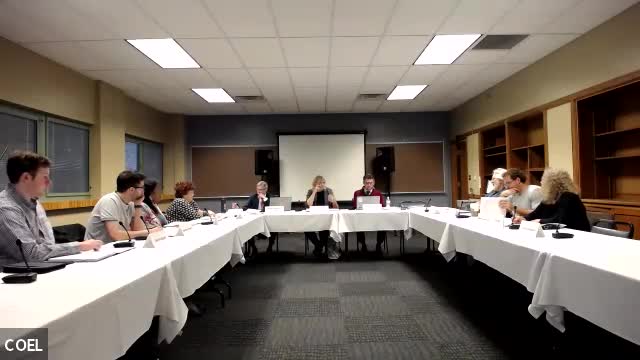
During a recent government meeting, city officials engaged in a robust discussion regarding the potential restructuring of the city council's electoral system, specifically the debate between maintaining an at-large voting system versus transitioning to district-based representation.
The conversation was initiated by a proposal from council member Pam, who questioned the merits of splitting the city into wards. Several participants contributed insights, referencing historical precedents from other cities, including Detroit's shift to at-large voting in 1919, which was influenced by racial segregation issues. One council member noted that smaller constituencies could lower the barriers for individuals interested in running for office, potentially increasing political participation among residents.
Concerns were raised about the implications of such a change on local governance, particularly regarding how precincts are currently set up. The discussion highlighted the complexities of aligning ward boundaries with existing precincts, especially when considering the diverse demographics and geographic characteristics of neighborhoods within the city.
Dr. McKiss emphasized the importance of district representation, arguing that it could better address the unique needs of different communities, such as students living near Michigan State University and residents in more established neighborhoods. However, he also acknowledged the historical context, noting that previous attempts to implement wards had been met with resistance from voters, particularly when proposals appeared to disproportionately favor student populations.
The meeting concluded with a call for further exploration of the issue, including potential public engagement to assess whether certain neighborhoods feel underrepresented. As the city grapples with these electoral considerations, the outcome could significantly impact local governance and community representation in the future.
The conversation was initiated by a proposal from council member Pam, who questioned the merits of splitting the city into wards. Several participants contributed insights, referencing historical precedents from other cities, including Detroit's shift to at-large voting in 1919, which was influenced by racial segregation issues. One council member noted that smaller constituencies could lower the barriers for individuals interested in running for office, potentially increasing political participation among residents.
Concerns were raised about the implications of such a change on local governance, particularly regarding how precincts are currently set up. The discussion highlighted the complexities of aligning ward boundaries with existing precincts, especially when considering the diverse demographics and geographic characteristics of neighborhoods within the city.
Dr. McKiss emphasized the importance of district representation, arguing that it could better address the unique needs of different communities, such as students living near Michigan State University and residents in more established neighborhoods. However, he also acknowledged the historical context, noting that previous attempts to implement wards had been met with resistance from voters, particularly when proposals appeared to disproportionately favor student populations.
The meeting concluded with a call for further exploration of the issue, including potential public engagement to assess whether certain neighborhoods feel underrepresented. As the city grapples with these electoral considerations, the outcome could significantly impact local governance and community representation in the future.
View the Full Meeting & All Its Details
This article offers just a summary. Unlock complete video, transcripts, and insights as a Founder Member.
✓
Watch full, unedited meeting videos
✓
Search every word spoken in unlimited transcripts
✓
AI summaries & real-time alerts (all government levels)
✓
Permanent access to expanding government content
30-day money-back guarantee
