Election Board Faces Controversy Over Provisional Ballot Count
November 15, 2024 | Tippecanoe County, Indiana
This article was created by AI summarizing key points discussed. AI makes mistakes, so for full details and context, please refer to the video of the full meeting. Please report any errors so we can fix them. Report an error »
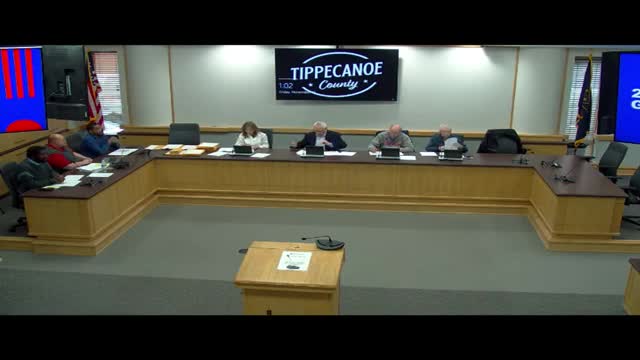
During a recent government meeting, officials reviewed the status of absentee and provisional ballots from the recent election, revealing significant discrepancies and procedural challenges. The discussion began with the introduction of Jacob Griffin, who is expected to be appointed as the deputy for the upcoming election cycle in 2025, addressing a gap in leadership this year.
The meeting highlighted the receipt of 2,434 mail-in ballots, with concerns raised about the accuracy of these figures. A total of 136 provisional ballots were also discussed, which are cast when voters face issues such as missing identification or registration discrepancies. Officials clarified that provisional ballots allow voters to verify their eligibility post-election.
The board identified 68 provisional ballots from non-registered voters, confirming that these individuals had missed the registration deadline of October 7. A motion was made and unanimously approved to not count these ballots. Additionally, 30 provisional ballots were flagged from voters registered in other counties who failed to update their residency, and these too were deemed ineligible.
Seventeen more provisional ballots were linked to voters who had not updated their registrations after moving, resulting in their status being marked as inactive. These ballots were also ruled out of contention for counting. However, 15 provisional ballots were approved for counting after clerical errors were identified, allowing those voters to have their votes tabulated.
The meeting concluded with a discussion about a ballot submitted from a voter in Colorado, which arrived late and was ultimately ruled ineligible due to statutory requirements that ballots must be received by 6 PM on election day. This situation underscored the challenges faced by election officials in ensuring compliance with voting regulations.
Overall, the meeting shed light on the complexities of managing absentee and provisional ballots, emphasizing the importance of accurate voter registration and adherence to election laws.
The meeting highlighted the receipt of 2,434 mail-in ballots, with concerns raised about the accuracy of these figures. A total of 136 provisional ballots were also discussed, which are cast when voters face issues such as missing identification or registration discrepancies. Officials clarified that provisional ballots allow voters to verify their eligibility post-election.
The board identified 68 provisional ballots from non-registered voters, confirming that these individuals had missed the registration deadline of October 7. A motion was made and unanimously approved to not count these ballots. Additionally, 30 provisional ballots were flagged from voters registered in other counties who failed to update their residency, and these too were deemed ineligible.
Seventeen more provisional ballots were linked to voters who had not updated their registrations after moving, resulting in their status being marked as inactive. These ballots were also ruled out of contention for counting. However, 15 provisional ballots were approved for counting after clerical errors were identified, allowing those voters to have their votes tabulated.
The meeting concluded with a discussion about a ballot submitted from a voter in Colorado, which arrived late and was ultimately ruled ineligible due to statutory requirements that ballots must be received by 6 PM on election day. This situation underscored the challenges faced by election officials in ensuring compliance with voting regulations.
Overall, the meeting shed light on the complexities of managing absentee and provisional ballots, emphasizing the importance of accurate voter registration and adherence to election laws.
View the Full Meeting & All Its Details
This article offers just a summary. Unlock complete video, transcripts, and insights as a Founder Member.
✓
Watch full, unedited meeting videos
✓
Search every word spoken in unlimited transcripts
✓
AI summaries & real-time alerts (all government levels)
✓
Permanent access to expanding government content
30-day money-back guarantee
