Lawmakers clash over presidential power and election integrity
This article was created by AI summarizing key points discussed. AI makes mistakes, so for full details and context, please refer to the video of the full meeting. Please report any errors so we can fix them. Report an error »
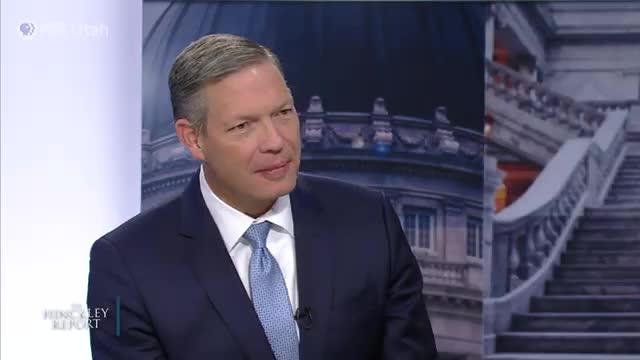
During a recent government meeting, discussions centered on the balance of power between the executive and legislative branches, voter turnout in Utah, and projections for future congressional representation.
A key topic was the ability of the president to make appointments without Senate confirmation during adjournment, a point raised in light of President Trump's previous concerns about the speed of the voting process. Some senators, including newly elected John Curtis, expressed the importance of maintaining Senate oversight over presidential nominees, emphasizing the necessity of checks and balances in a democratic system. Participants voiced frustration over the perceived overreach of presidential power, calling for Congress to assert its role more vigorously.
The conversation also highlighted voter turnout in Utah, which ranked 37th nationally. Factors contributing to this low turnout included a lack of enthusiasm for candidates from both parties and a general skepticism about the impact of individual votes. The discussion pointed to the importance of local races and ballot initiatives in driving voter engagement, noting that the absence of competitive local elections may have dampened participation.
Additionally, the Kempsey Gardner Policy Institute projected that Utah could gain a fifth congressional seat by the 2030 Census, contingent on population growth. This potential development was met with optimism, as participants acknowledged the importance of accurate population counts, including those of residents serving abroad.
Overall, the meeting underscored the ongoing dialogue about the dynamics of power within government and the critical role of voter engagement in shaping democratic processes.
A key topic was the ability of the president to make appointments without Senate confirmation during adjournment, a point raised in light of President Trump's previous concerns about the speed of the voting process. Some senators, including newly elected John Curtis, expressed the importance of maintaining Senate oversight over presidential nominees, emphasizing the necessity of checks and balances in a democratic system. Participants voiced frustration over the perceived overreach of presidential power, calling for Congress to assert its role more vigorously.
The conversation also highlighted voter turnout in Utah, which ranked 37th nationally. Factors contributing to this low turnout included a lack of enthusiasm for candidates from both parties and a general skepticism about the impact of individual votes. The discussion pointed to the importance of local races and ballot initiatives in driving voter engagement, noting that the absence of competitive local elections may have dampened participation.
Additionally, the Kempsey Gardner Policy Institute projected that Utah could gain a fifth congressional seat by the 2030 Census, contingent on population growth. This potential development was met with optimism, as participants acknowledged the importance of accurate population counts, including those of residents serving abroad.
Overall, the meeting underscored the ongoing dialogue about the dynamics of power within government and the critical role of voter engagement in shaping democratic processes.
Don't Miss a Word: See the Full Meeting!
Go beyond summaries. Unlock every video, transcript, and key insight with a Founder Membership.
✓
Get instant access to full meeting videos
✓
Search and clip any phrase from complete transcripts
✓
Receive AI-powered summaries & custom alerts
✓
Enjoy lifetime, unrestricted access to government data
30-day money-back guarantee
