Students Drive School Improvement with Innovative Strategies
November 15, 2024 | Bellevue School District, School Districts, Washington
This article was created by AI summarizing key points discussed. AI makes mistakes, so for full details and context, please refer to the video of the full meeting. Please report any errors so we can fix them. Report an error »
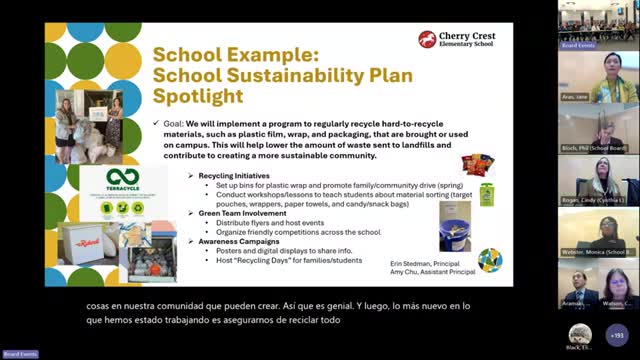
In a recent school board meeting, significant discussions centered around sustainability initiatives and the development of school improvement plans (SIPs) that prioritize student input and equity.
At the forefront of the meeting was a presentation by Joe Pots, principal of Odle Middle School, who highlighted the school's commitment to environmental sustainability. Students have been actively involved in recycling efforts, particularly focusing on paper towels, with staff members guiding them in these initiatives. This hands-on approach not only fosters environmental awareness but also empowers students to take part in meaningful change within their school community.
The meeting also showcased the collaborative efforts of educators to enhance the school improvement plan. Principal Pots shared insights from student empathy interviews, which involved 31 students across various grades. These interviews aimed to capture student experiences and perspectives, ultimately shaping the objectives of the SIP. The three main objectives identified were: fostering critical thinking and self-advocacy, integrating diverse perspectives into the curriculum, and ensuring that teachers believe in their students' potential for success.
Board members expressed enthusiasm for the human-centered approach taken in the SIPs, emphasizing the importance of student voice in identifying strategies for improvement. However, concerns were raised regarding the visibility of data related to historically marginalized populations and the need for more comprehensive measures to assess the effectiveness of the initiatives.
The discussion also touched on the challenges of tracking attendance and truancy rates, which have become pressing issues not only locally but nationwide. Board members underscored the necessity of addressing these concerns within the SIP framework to ensure that all students have equitable access to education.
As the meeting progressed, the board acknowledged the importance of transparency in financial reporting, particularly in light of ongoing budget challenges. The administration committed to improving communication regarding fiscal matters to enhance community understanding and oversight.
Overall, the meeting underscored a collective commitment to fostering an inclusive and sustainable educational environment, driven by student engagement and data-informed decision-making. The board looks forward to monitoring the progress of these initiatives in the coming year.
At the forefront of the meeting was a presentation by Joe Pots, principal of Odle Middle School, who highlighted the school's commitment to environmental sustainability. Students have been actively involved in recycling efforts, particularly focusing on paper towels, with staff members guiding them in these initiatives. This hands-on approach not only fosters environmental awareness but also empowers students to take part in meaningful change within their school community.
The meeting also showcased the collaborative efforts of educators to enhance the school improvement plan. Principal Pots shared insights from student empathy interviews, which involved 31 students across various grades. These interviews aimed to capture student experiences and perspectives, ultimately shaping the objectives of the SIP. The three main objectives identified were: fostering critical thinking and self-advocacy, integrating diverse perspectives into the curriculum, and ensuring that teachers believe in their students' potential for success.
Board members expressed enthusiasm for the human-centered approach taken in the SIPs, emphasizing the importance of student voice in identifying strategies for improvement. However, concerns were raised regarding the visibility of data related to historically marginalized populations and the need for more comprehensive measures to assess the effectiveness of the initiatives.
The discussion also touched on the challenges of tracking attendance and truancy rates, which have become pressing issues not only locally but nationwide. Board members underscored the necessity of addressing these concerns within the SIP framework to ensure that all students have equitable access to education.
As the meeting progressed, the board acknowledged the importance of transparency in financial reporting, particularly in light of ongoing budget challenges. The administration committed to improving communication regarding fiscal matters to enhance community understanding and oversight.
Overall, the meeting underscored a collective commitment to fostering an inclusive and sustainable educational environment, driven by student engagement and data-informed decision-making. The board looks forward to monitoring the progress of these initiatives in the coming year.
View the Full Meeting & All Its Details
This article offers just a summary. Unlock complete video, transcripts, and insights as a Founder Member.
✓
Watch full, unedited meeting videos
✓
Search every word spoken in unlimited transcripts
✓
AI summaries & real-time alerts (all government levels)
✓
Permanent access to expanding government content
30-day money-back guarantee
