Court debates juror impartiality in high-stakes trial
November 05, 2024 | Judicial - Supreme Court, Judicial, Massachusetts
This article was created by AI summarizing key points discussed. AI makes mistakes, so for full details and context, please refer to the video of the full meeting. Please report any errors so we can fix them. Report an error »
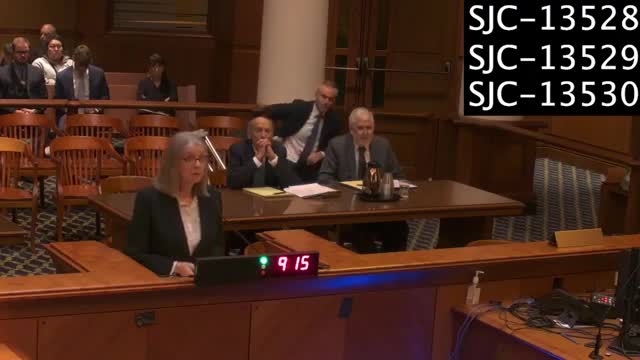
In a recent government meeting, discussions centered around the complexities of juror impartiality and the challenges of evaluating juror honesty during trials. The dialogue highlighted a specific case where a juror failed to disclose sealed juvenile adjudications, raising questions about the criteria for disqualification and the implications for the fairness of the trial.
Participants debated whether the trial judge had erred in determining that the juror's dishonesty did not warrant a challenge for cause. The conversation underscored the importance of assessing a juror's ability to remain impartial, particularly when new information arises post-conviction. One speaker noted that the discovery of the juror's familial connections to the case—specifically, a brother who was incarcerated—could have influenced the juror's impartiality, thus necessitating a reevaluation of the juror's qualifications.
The meeting also explored the legal standards for determining juror disqualification, emphasizing that a juror's failure to disclose relevant information must be weighed against their capacity for impartiality. The discussion included hypothetical scenarios to illustrate the nuances of juror honesty and the potential for challenges based on undisclosed information.
Ultimately, the participants acknowledged the critical role of transparency in the jury selection process and the need for judges to consider all relevant factors when determining a juror's suitability. The implications of these discussions could have significant consequences for future trials, particularly in ensuring that defendants receive a fair and impartial jury.
Participants debated whether the trial judge had erred in determining that the juror's dishonesty did not warrant a challenge for cause. The conversation underscored the importance of assessing a juror's ability to remain impartial, particularly when new information arises post-conviction. One speaker noted that the discovery of the juror's familial connections to the case—specifically, a brother who was incarcerated—could have influenced the juror's impartiality, thus necessitating a reevaluation of the juror's qualifications.
The meeting also explored the legal standards for determining juror disqualification, emphasizing that a juror's failure to disclose relevant information must be weighed against their capacity for impartiality. The discussion included hypothetical scenarios to illustrate the nuances of juror honesty and the potential for challenges based on undisclosed information.
Ultimately, the participants acknowledged the critical role of transparency in the jury selection process and the need for judges to consider all relevant factors when determining a juror's suitability. The implications of these discussions could have significant consequences for future trials, particularly in ensuring that defendants receive a fair and impartial jury.
View the Full Meeting & All Its Details
This article offers just a summary. Unlock complete video, transcripts, and insights as a Founder Member.
✓
Watch full, unedited meeting videos
✓
Search every word spoken in unlimited transcripts
✓
AI summaries & real-time alerts (all government levels)
✓
Permanent access to expanding government content
30-day money-back guarantee
