New shelter zoning plan sparks heated community debate
November 05, 2024 | Lewiston, Androscoggin County, Maine
This article was created by AI summarizing key points discussed. AI makes mistakes, so for full details and context, please refer to the video of the full meeting. Please report any errors so we can fix them. Report an error »
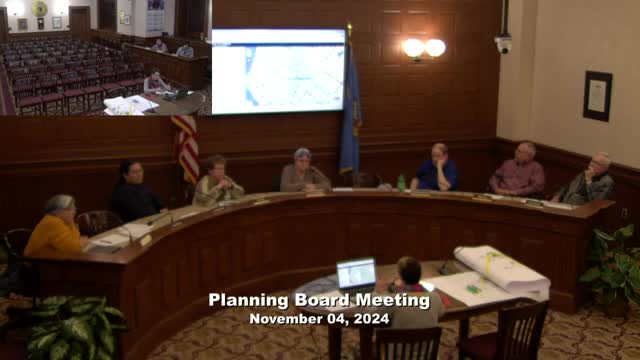
In a recent government meeting, officials discussed the zoning and operational guidelines for various types of shelters, focusing on both family and adult facilities. The conversation highlighted the need for a structured approach to shelter placement, particularly concerning non-24-hour shelters and their proximity to schools and parks.
Key points of discussion included the classification of shelters into small, medium, and large categories, with specific zoning restrictions based on the type of shelter. For family and youth shelters, the consensus leaned towards allowing these facilities to be located near parks and schools, provided they are non-24-hour operations. This flexibility aims to create a supportive environment for families while addressing concerns about loitering.
Officials also emphasized the importance of establishing buffer zones to mitigate potential issues related to shelter placement. Current regulations suggest a 250-foot buffer from schools and daycares, which some members proposed to maintain for non-24-hour shelters. However, there was a push for exceptions for family shelters, allowing them closer to recreational areas, as these facilities could provide a more family-friendly atmosphere.
The discussion transitioned to adult shelters, where a more restrictive approach was proposed. All adult shelters, regardless of size, would be limited to specific districts, mirroring the restrictions placed on large family shelters. This decision reflects a concern for community safety and the potential impact of adult shelters on residential areas.
Some officials raised the possibility of conditional use permits for specialized adult shelters, such as those catering to domestic violence survivors. This would allow for a broader range of locations while ensuring that the unique needs of vulnerable populations are met.
Overall, the meeting underscored the delicate balance between providing necessary shelter services and maintaining community standards, with further discussions anticipated to refine these guidelines.
Key points of discussion included the classification of shelters into small, medium, and large categories, with specific zoning restrictions based on the type of shelter. For family and youth shelters, the consensus leaned towards allowing these facilities to be located near parks and schools, provided they are non-24-hour operations. This flexibility aims to create a supportive environment for families while addressing concerns about loitering.
Officials also emphasized the importance of establishing buffer zones to mitigate potential issues related to shelter placement. Current regulations suggest a 250-foot buffer from schools and daycares, which some members proposed to maintain for non-24-hour shelters. However, there was a push for exceptions for family shelters, allowing them closer to recreational areas, as these facilities could provide a more family-friendly atmosphere.
The discussion transitioned to adult shelters, where a more restrictive approach was proposed. All adult shelters, regardless of size, would be limited to specific districts, mirroring the restrictions placed on large family shelters. This decision reflects a concern for community safety and the potential impact of adult shelters on residential areas.
Some officials raised the possibility of conditional use permits for specialized adult shelters, such as those catering to domestic violence survivors. This would allow for a broader range of locations while ensuring that the unique needs of vulnerable populations are met.
Overall, the meeting underscored the delicate balance between providing necessary shelter services and maintaining community standards, with further discussions anticipated to refine these guidelines.
Don't Miss a Word: See the Full Meeting!
Go beyond summaries. Unlock every video, transcript, and key insight with a Founder Membership.
✓
Get instant access to full meeting videos
✓
Search and clip any phrase from complete transcripts
✓
Receive AI-powered summaries & custom alerts
✓
Enjoy lifetime, unrestricted access to government data
30-day money-back guarantee
