Zoning changes spark debate over youth shelter limits
November 05, 2024 | Lewiston, Androscoggin County, Maine
This article was created by AI summarizing key points discussed. AI makes mistakes, so for full details and context, please refer to the video of the full meeting. Please report any errors so we can fix them. Report an error »
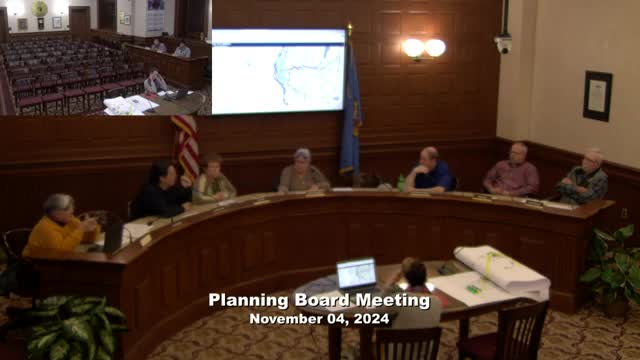
In a recent government meeting, officials discussed significant changes to zoning regulations that could reshape residential areas and address homelessness. The conversation centered around the evolution of single-family zoning, which has effectively transitioned to allow for multiple units on properties, including accessory dwelling units (ADUs). This shift permits homeowners to add up to two units to existing single-family homes or build up to four units on vacant lots, depending on specific zoning overlays.
The implications of these changes were highlighted, with officials noting that the practical outcome of current zoning laws could lead to high occupancy levels in residential units. For instance, a duplex could potentially house up to 16 individuals, raising concerns about the impact on neighborhood dynamics.
The meeting also addressed the establishment of guidelines for youth shelters, particularly regarding occupancy limits. A consensus emerged around allowing shelters for youth and families to accommodate up to 16 occupants, with some officials advocating for a slightly lower limit of 10 to mitigate potential neighborhood disruptions. The discussion emphasized the importance of adult supervision in these shelters, which are designed to provide a safe environment for homeless youth.
As the meeting progressed, officials considered the need for different classifications of shelters, distinguishing between temporary warming shelters and those offering 24-hour services. This classification aims to clarify the types of support available to homeless individuals and families, ensuring that zoning regulations align with the services provided.
Overall, the meeting underscored a proactive approach to housing and homelessness, reflecting a commitment to adapting zoning laws to meet the evolving needs of the community while balancing the concerns of existing residents.
The implications of these changes were highlighted, with officials noting that the practical outcome of current zoning laws could lead to high occupancy levels in residential units. For instance, a duplex could potentially house up to 16 individuals, raising concerns about the impact on neighborhood dynamics.
The meeting also addressed the establishment of guidelines for youth shelters, particularly regarding occupancy limits. A consensus emerged around allowing shelters for youth and families to accommodate up to 16 occupants, with some officials advocating for a slightly lower limit of 10 to mitigate potential neighborhood disruptions. The discussion emphasized the importance of adult supervision in these shelters, which are designed to provide a safe environment for homeless youth.
As the meeting progressed, officials considered the need for different classifications of shelters, distinguishing between temporary warming shelters and those offering 24-hour services. This classification aims to clarify the types of support available to homeless individuals and families, ensuring that zoning regulations align with the services provided.
Overall, the meeting underscored a proactive approach to housing and homelessness, reflecting a commitment to adapting zoning laws to meet the evolving needs of the community while balancing the concerns of existing residents.
View the Full Meeting & All Its Details
This article offers just a summary. Unlock complete video, transcripts, and insights as a Founder Member.
✓
Watch full, unedited meeting videos
✓
Search every word spoken in unlimited transcripts
✓
AI summaries & real-time alerts (all government levels)
✓
Permanent access to expanding government content
30-day money-back guarantee
