New electrical code sparks debate over safety and regulations
November 05, 2024 | Omaha, Douglas County, Nebraska
This article was created by AI summarizing key points discussed. AI makes mistakes, so for full details and context, please refer to the video of the full meeting. Please report any errors so we can fix them. Report an error »
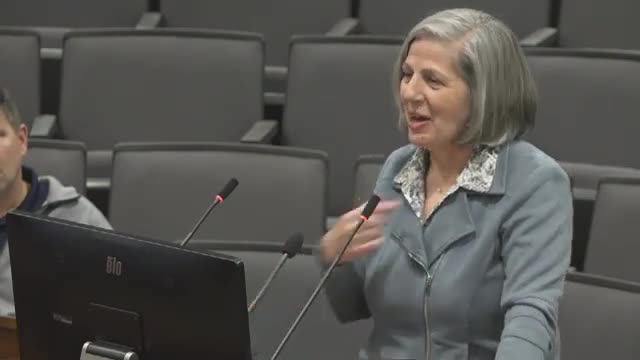
In a recent government meeting, discussions centered around proposed amendments to the electrical code, highlighting safety concerns and the implications of adopting new regulations. Key points raised included the importance of proper electrical safety measures in homes, with emphasis on the need for functional smoke detectors and the risks posed by outdated appliances and wiring.
One participant expressed skepticism about certain proposed amendments, particularly the inclusion of whole-house surge protection, arguing that it should be categorized as a property protection issue rather than a life safety concern. This sentiment reflects a broader debate about the role of insurance companies in the code update process, as they often advocate for newer products to minimize their liabilities.
The meeting also touched on the adoption of the 2023 National Electrical Code, which was initially proposed in early 2023 but faced delays. It was noted that Iowa had successfully implemented this code, including an emergency disconnect requirement, which has not yet been adopted in Nebraska. The discussion revealed a mix of opinions among local contractors regarding the new code, with some supporting its adoption while others remained hesitant.
Statistics presented during the meeting indicated a significant number of electrical accidents, with a notable percentage occurring while individuals were working on appliances. This data underscored the potential benefits of adopting updated safety codes, which could help prevent such incidents.
The procedural aspects of the code adoption process were also clarified, with officials emphasizing the necessity of aligning local regulations with state standards to avoid complications with inspections. Failure to adopt the new code could result in state inspectors taking over, potentially leading to delays and increased costs for projects.
Overall, the meeting highlighted the ongoing efforts to enhance electrical safety standards while navigating the complexities of regulatory compliance and stakeholder interests.
One participant expressed skepticism about certain proposed amendments, particularly the inclusion of whole-house surge protection, arguing that it should be categorized as a property protection issue rather than a life safety concern. This sentiment reflects a broader debate about the role of insurance companies in the code update process, as they often advocate for newer products to minimize their liabilities.
The meeting also touched on the adoption of the 2023 National Electrical Code, which was initially proposed in early 2023 but faced delays. It was noted that Iowa had successfully implemented this code, including an emergency disconnect requirement, which has not yet been adopted in Nebraska. The discussion revealed a mix of opinions among local contractors regarding the new code, with some supporting its adoption while others remained hesitant.
Statistics presented during the meeting indicated a significant number of electrical accidents, with a notable percentage occurring while individuals were working on appliances. This data underscored the potential benefits of adopting updated safety codes, which could help prevent such incidents.
The procedural aspects of the code adoption process were also clarified, with officials emphasizing the necessity of aligning local regulations with state standards to avoid complications with inspections. Failure to adopt the new code could result in state inspectors taking over, potentially leading to delays and increased costs for projects.
Overall, the meeting highlighted the ongoing efforts to enhance electrical safety standards while navigating the complexities of regulatory compliance and stakeholder interests.
View the Full Meeting & All Its Details
This article offers just a summary. Unlock complete video, transcripts, and insights as a Founder Member.
✓
Watch full, unedited meeting videos
✓
Search every word spoken in unlimited transcripts
✓
AI summaries & real-time alerts (all government levels)
✓
Permanent access to expanding government content
30-day money-back guarantee
