City Council Approves Major Tree Planting Initiative for Omaha
November 05, 2024 | Omaha, Douglas County, Nebraska
This article was created by AI summarizing key points discussed. AI makes mistakes, so for full details and context, please refer to the video of the full meeting. Please report any errors so we can fix them. Report an error »
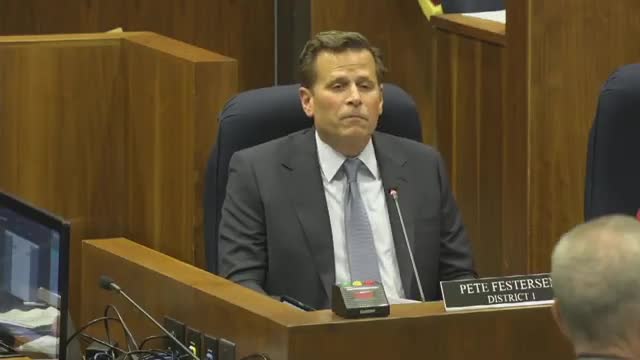
In a recent government meeting, significant discussions centered around two key initiatives: a Tax Increment Financing (TIF) project and a tree planting program aimed at enhancing urban ecology in Omaha.
During the public hearing for the TIF project, local resident Larry Stoehr raised concerns regarding the implications of ad valorem property taxes associated with the project. Stoehr emphasized the need for clarity on how these taxes would affect not only property owners but also residents in the surrounding areas. He criticized the lack of transparency from city officials, suggesting that the community deserves straightforward answers about the financial responsibilities tied to the TIF project. Stoehr urged city leaders to seek clarification from state authorities on the legal definitions and implications of ad valorem taxes, highlighting the potential long-term impact on local taxpayers.
The meeting also featured a proposal from Keep Omaha Beautiful, Inc. for the \"Trees for Tomorrow\" program, which aims to plant over 700 trees annually in the city. Emily Hergenater, representing the organization, outlined the environmental and community benefits of increasing the urban tree canopy, including improved stormwater management, noise reduction, and mitigation of greenhouse gas emissions. The initiative is part of the city's broader climate action and resiliency plan, addressing the urgent need for enhanced green spaces, particularly in disadvantaged neighborhoods.
Hergenater noted that the program has already secured approximately $750,000 in private funding, which will be matched by city funds over the next four years. This partnership aims to engage community members in tree planting efforts, fostering a sense of ownership and responsibility for local ecosystems. The city council expressed strong support for the initiative, recognizing its potential to beautify the city and combat environmental challenges.
As the meeting concluded, both discussions underscored the importance of community engagement and transparency in local governance, with residents advocating for clarity on financial matters and city officials promoting sustainable urban development through environmental initiatives.
During the public hearing for the TIF project, local resident Larry Stoehr raised concerns regarding the implications of ad valorem property taxes associated with the project. Stoehr emphasized the need for clarity on how these taxes would affect not only property owners but also residents in the surrounding areas. He criticized the lack of transparency from city officials, suggesting that the community deserves straightforward answers about the financial responsibilities tied to the TIF project. Stoehr urged city leaders to seek clarification from state authorities on the legal definitions and implications of ad valorem taxes, highlighting the potential long-term impact on local taxpayers.
The meeting also featured a proposal from Keep Omaha Beautiful, Inc. for the \"Trees for Tomorrow\" program, which aims to plant over 700 trees annually in the city. Emily Hergenater, representing the organization, outlined the environmental and community benefits of increasing the urban tree canopy, including improved stormwater management, noise reduction, and mitigation of greenhouse gas emissions. The initiative is part of the city's broader climate action and resiliency plan, addressing the urgent need for enhanced green spaces, particularly in disadvantaged neighborhoods.
Hergenater noted that the program has already secured approximately $750,000 in private funding, which will be matched by city funds over the next four years. This partnership aims to engage community members in tree planting efforts, fostering a sense of ownership and responsibility for local ecosystems. The city council expressed strong support for the initiative, recognizing its potential to beautify the city and combat environmental challenges.
As the meeting concluded, both discussions underscored the importance of community engagement and transparency in local governance, with residents advocating for clarity on financial matters and city officials promoting sustainable urban development through environmental initiatives.
Don't Miss a Word: See the Full Meeting!
Go beyond summaries. Unlock every video, transcript, and key insight with a Founder Membership.
✓
Get instant access to full meeting videos
✓
Search and clip any phrase from complete transcripts
✓
Receive AI-powered summaries & custom alerts
✓
Enjoy lifetime, unrestricted access to government data
30-day money-back guarantee
