Airline industry faces crisis from cyber attacks and vulnerabilities
September 19, 2024 | Commerce, Science, and Transportation: Senate Committee, Standing Committees - House & Senate, Congressional Hearings Compilation, Legislative, Federal
This article was created by AI summarizing key points discussed. AI makes mistakes, so for full details and context, please refer to the video of the full meeting. Please report any errors so we can fix them. Report an error »
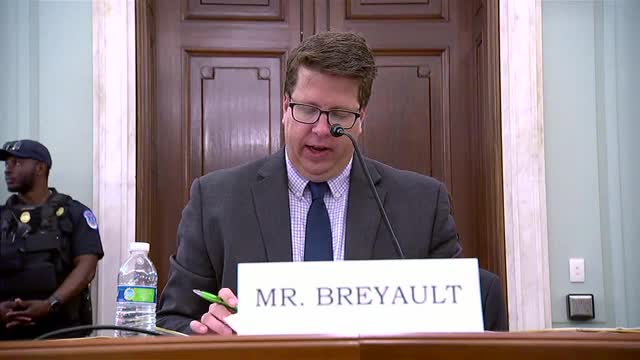
One notable event occurred last month when a cyber attack at Seattle Tacoma International Airport led to significant operational disruptions. Staff were forced to revert to handwritten boarding passes and manual baggage sorting, resulting in delays for both flights and luggage. This incident followed a major system failure on July 18th, caused by a faulty update affecting Crowdstrike clients, including airlines. The fallout from this failure resulted in the cancellation of nearly 5,200 flights on the first day alone, stranding families and costing one Seattle family over $7,500 in rebooking and lodging expenses.
The fragility of airline infrastructure was further illustrated by a nationwide ground stop earlier this year, triggered by an FAA contractor's error, which delayed over 10,000 flights and canceled more than 1,300. These incidents reveal the susceptibility of the airline industry to both human error and cyber vulnerabilities.
In addition to operational disruptions, the security of airline rewards programs has emerged as a significant concern. The value of unused miles in passenger accounts has reached an estimated $27.5 billion, making them an attractive target for cybercriminals. Reports indicate a staggering 166% increase in attacks on airline accounts between late 2023 and early 2024. Stolen miles are often sold on the dark web, where they can be redeemed for gift cards or airline tickets.
Despite the growing threat, airlines have been inconsistent in implementing robust security measures for mileage accounts. Basic protections, such as multi-factor authentication, are not universally available, leaving many passengers vulnerable. Furthermore, airline miles lack the consumer protections that safeguard traditional financial accounts, such as FDIC insurance or anti-fraud measures under the Electronic Fund Transfer Act.
The aviation sector is also grappling with a surge in ransomware attacks, with Boeing's chief security officer reporting a 600% increase in such incidents targeting the aviation supply chain over the past year. These developments raise urgent questions about the industry's preparedness to protect both its operations and its customers in an increasingly digital landscape.
View the Full Meeting & All Its Details
This article offers just a summary. Unlock complete video, transcripts, and insights as a Founder Member.
30-day money-back guarantee
