Senators push for stronger airline consumer protections after outages
September 19, 2024 | Commerce, Science, and Transportation: Senate Committee, Standing Committees - House & Senate, Congressional Hearings Compilation, Legislative, Federal
This article was created by AI summarizing key points discussed. AI makes mistakes, so for full details and context, please refer to the video of the full meeting. Please report any errors so we can fix them. Report an error »
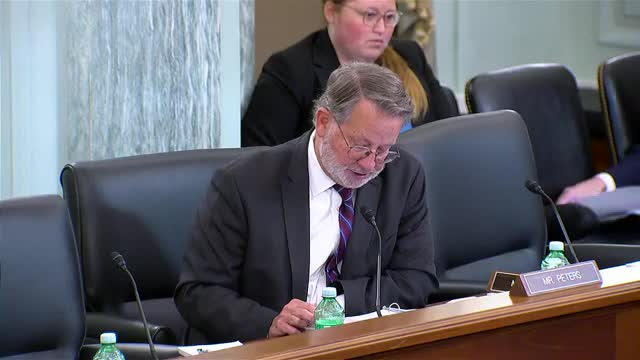
Senator Peters opened the dialogue by emphasizing the financial burden that cyber-related fraud places on consumers, urging for proactive measures to prevent such incidents. In response, experts underscored the importance of implementing policies that would allow consumers to recover losses incurred during these events. A key recommendation was for Congress to grant the Department of Transportation (DOT) the authority to enforce delay compensation regulations, ensuring that consumers are compensated for lost airline miles and other financial losses due to disruptions.
The conversation shifted to the implications of a recent IT outage at CrowdStrike, which, while not a cyber attack, exposed vulnerabilities in critical sectors of the U.S. economy. Senator Markey pointed out that such disruptions leave travelers confused about their rights, and he expressed pride in the FAA Reauthorization Act's provisions that require airlines to automatically refund passengers in cases of flight delays or cancellations.
However, compliance with these regulations has been questioned, with reports indicating that airlines have failed to adhere to the new rules. Lawmakers pressed airline representatives on their commitment to follow the law, particularly regarding automatic refunds during cyber-related disruptions. The representatives affirmed their compliance, but concerns lingered about the adequacy of current protections for consumers.
Senator Markey further argued that the financial impact of flight disruptions extends beyond ticket refunds, citing examples of missed events and lost income. He advocated for a system similar to Europe’s, which mandates cash compensation for significant delays and cancellations caused by airlines. This sentiment was echoed by other members, who stressed the necessity of clear communication of passenger rights and the need for airlines to take responsibility for their cybersecurity measures.
As the meeting concluded, the importance of immediate action on communication best practices was reiterated, with the FBI leading investigations into recent cyber incidents. The discussions underscored a growing consensus among lawmakers that comprehensive consumer protection measures are essential in an increasingly digital and interconnected travel landscape.
Don't Miss a Word: See the Full Meeting!
Go beyond summaries. Unlock every video, transcript, and key insight with a Founder Membership.
30-day money-back guarantee
