Cybersecurity Regulations Under Fire Amid Rising Incident Reporting Chaos
September 19, 2024 | Commerce, Science, and Transportation: Senate Committee, Standing Committees - House & Senate, Congressional Hearings Compilation, Legislative, Federal
This article was created by AI summarizing key points discussed. AI makes mistakes, so for full details and context, please refer to the video of the full meeting. Please report any errors so we can fix them. Report an error »
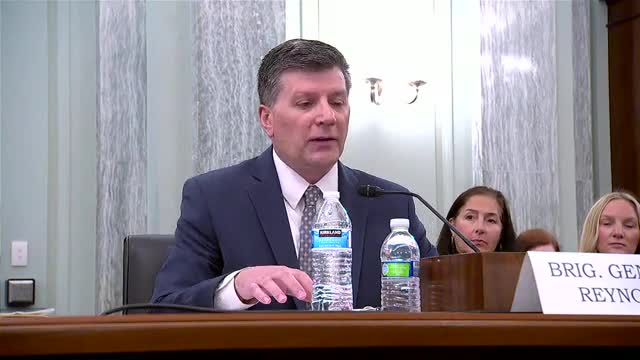
General Reynolds noted that the threshold for triggering a notification requirement for federal agencies is set at 100,000 affected individuals, while the proposed rule for critical infrastructure could require reporting even if only one person is impacted. This inconsistency in reporting requirements has drawn criticism from lawmakers across party lines, who argue that the breadth of the proposed rule may be excessive.
The meeting also addressed the need for harmonization of cyber incident reporting regulations, as the aviation sector currently faces ten different reporting regimes, which include both voluntary and mandatory requirements. General Reynolds indicated that while some progress has been made, particularly with the FAA adopting TSA requirements, there is still a significant need for a unified reporting framework to streamline processes and reduce regulatory burdens.
Additionally, the TSA has implemented recent cybersecurity directives, operating under an emergency amendment that includes mandatory reporting and compliance assessments. However, the lack of opportunity for public comment on these emergency measures has raised concerns about transparency and stakeholder engagement.
Overall, the discussions underscored the challenges faced by federal agencies and critical infrastructure operators in navigating a complex regulatory landscape, emphasizing the need for a more cohesive approach to cybersecurity incident reporting.
View the Full Meeting & All Its Details
This article offers just a summary. Unlock complete video, transcripts, and insights as a Founder Member.
30-day money-back guarantee
