SeaTac Airport hit by ransomware attack disrupting travel
September 19, 2024 | Commerce, Science, and Transportation: Senate Committee, Standing Committees - House & Senate, Congressional Hearings Compilation, Legislative, Federal
This article was created by AI summarizing key points discussed. AI makes mistakes, so for full details and context, please refer to the video of the full meeting. Please report any errors so we can fix them. Report an error »
The attack not only disrupted passenger services but also compromised the airport's internal email system and website. The Reseda Group, believed to be a Russian organization, has threatened to release personal data of airport employees unless a ransom of $6 million in Bitcoin is paid. Although most systems have since been restored, the airport's website and some internal human resource functions remain offline three weeks later.
This incident at SeaTac is part of a broader trend of cyber vulnerabilities within the aviation sector. Previous attacks have targeted other airports, including San Francisco International Airport and San Antonio Airport, highlighting the urgent need for enhanced cybersecurity measures. In response, recent legislation, including the FAA reauthorization bill, has mandated the establishment of a process to track and evaluate aviation cyber threats and designated a cybersecurity lead at the FAA.
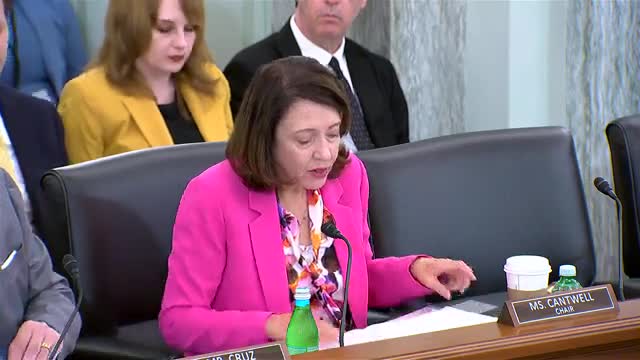
During a recent government meeting, aviation management director Lance Little discussed the impacts of the SeaTac attack and the lessons learned. Cybersecurity expert Marty Reynolds from Airlines for America also addressed emerging threats and the necessary responses from both the industry and government. The meeting underscored the critical need for investment in cybersecurity to protect against future attacks and ensure the safety and reliability of air travel. Port of Seattle executive director Steve Metrick emphasized the importance of preparedness in the face of potential cybersecurity breaches, calling for both business and government to take proactive measures.
View the Full Meeting & All Its Details
This article offers just a summary. Unlock complete video, transcripts, and insights as a Founder Member.
30-day money-back guarantee
