Cybersecurity Threats Demand Urgent Federal Action Now
September 19, 2024 | Commerce, Science, and Transportation: Senate Committee, Standing Committees - House & Senate, Congressional Hearings Compilation, Legislative, Federal
This article was created by AI summarizing key points discussed. AI makes mistakes, so for full details and context, please refer to the video of the full meeting. Please report any errors so we can fix them. Report an error »
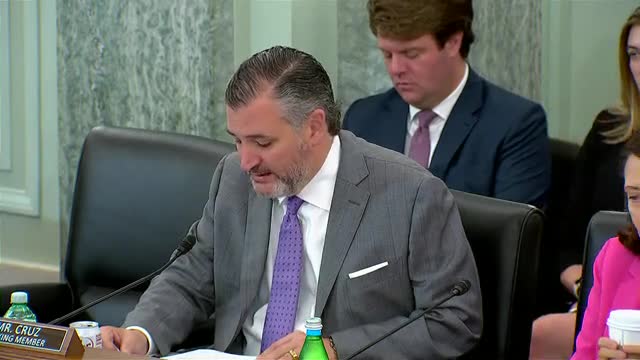
As the Port of Seattle continues to recover from a cyber incident in August, the meeting featured insights from SeaTac Airport's managing director, Lance Little, who previously worked with the Houston airport system. His experience is expected to provide valuable lessons on effective responses to cyber threats.
Participants noted that while airlines, airports, and avionics manufacturers are investing significantly in cybersecurity, the evolving nature of these threats necessitates a reevaluation of current regulatory frameworks. Concerns were raised about the proliferation of potentially duplicative cybersecurity reporting requirements that could burden regulated entities without enhancing security.
Critics pointed out the federal government's inadequate track record in safeguarding data, citing that millions of Americans have had their information compromised in government-related hacks over the past decade. Alarmingly, current laws allow federal agencies more time to report cybersecurity incidents compared to private entities, raising questions about the effectiveness of existing compliance measures.
The meeting concluded with a call for a more strategic approach to cybersecurity that prioritizes practical solutions over mere regulatory compliance, emphasizing the need for a collaborative understanding between federal agencies and the industries they oversee.
View the Full Meeting & All Its Details
This article offers just a summary. Unlock complete video, transcripts, and insights as a Founder Member.
30-day money-back guarantee
