Cyberattacks threaten airline systems and passenger data security
September 19, 2024 | Commerce, Science, and Transportation: Senate Committee, Standing Committees - House & Senate, Congressional Hearings Compilation, Legislative, Federal
This article was created by AI summarizing key points discussed. AI makes mistakes, so for full details and context, please refer to the video of the full meeting. Please report any errors so we can fix them. Report an error »
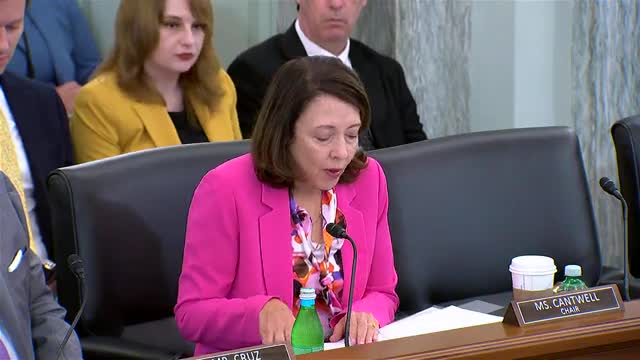
Recent statistics reveal a staggering 166% increase in cyberattacks targeting frequent flyer accounts over the past three months, raising alarms about the potential for widespread disruptions. The meeting referenced the C TAC incident, which resulted in nonfunctioning flight status updates and delays in luggage retrieval, illustrating the real-world impact of such cyber threats on travelers.
Officials reiterated the importance of airlines adhering to their passenger commitments, particularly during disruptions. The National Consumer League's representative, Mister Breo, reminded attendees of the resources available to passengers, including the FAA's mandate for hassle-free refunds in the event of flight cancellations or delays.
The discussion also touched on the broader implications of cybercrime, with estimates suggesting that if cybercrime were classified as a nation, it would rank as the third-largest economy globally, costing approximately $10 trillion annually—an increase from $3 trillion a decade ago. This stark figure highlights the urgent need for enhanced cybersecurity measures within the aviation industry to protect both passengers and operational integrity.
View the Full Meeting & All Its Details
This article offers just a summary. Unlock complete video, transcripts, and insights as a Founder Member.
30-day money-back guarantee
