System failing students not the other way around
November 24, 2024 | St. Cloud Public School District, School Boards, Minnesota
This article was created by AI summarizing key points discussed. AI makes mistakes, so for full details and context, please refer to the video of the full meeting. Please report any errors so we can fix them. Report an error »
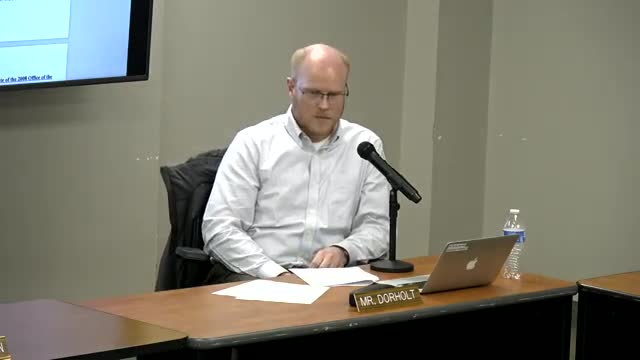
In a recent government meeting, officials engaged in a robust discussion regarding the challenges faced by students in underfunded districts, emphasizing the need for systemic change rather than placing blame on the students themselves. Participants highlighted that many students, particularly those new to the country, living in poverty, or with special needs, are often labeled as \"failing\" due to standardized test scores, which do not accurately reflect their educational experiences or potential.
One speaker pointed out that the current educational system is not designed to support these students effectively, arguing that it is the system that is failing them, not the students. This sentiment was echoed by others who noted that districts identified as failing often serve high-need populations and are innovating in ways that better meet the diverse needs of their students.
The conversation also touched on the implications of standardized testing, specifically the Minnesota Comprehensive Assessments (MCA), which many believe do not provide a fair assessment of the educational work being done in these districts. Participants expressed concern that these assessments are based on a narrow demographic that does not represent the realities of the students they serve.
As the meeting progressed, suggestions were made to revise language in official documents to better reflect the complexities of the situation. One participant proposed that local media should provide context when reporting on standardized scores, as the lack of context can mislead the public and contribute to the stigmatization of schools and districts.
Overall, the meeting underscored a collective commitment to advocating for a more equitable educational system that recognizes the unique challenges faced by diverse student populations and calls for a reevaluation of how success is measured in schools. The discussions highlighted the importance of addressing systemic issues rather than attributing failure to students, with a focus on fostering an environment where all students can thrive.
One speaker pointed out that the current educational system is not designed to support these students effectively, arguing that it is the system that is failing them, not the students. This sentiment was echoed by others who noted that districts identified as failing often serve high-need populations and are innovating in ways that better meet the diverse needs of their students.
The conversation also touched on the implications of standardized testing, specifically the Minnesota Comprehensive Assessments (MCA), which many believe do not provide a fair assessment of the educational work being done in these districts. Participants expressed concern that these assessments are based on a narrow demographic that does not represent the realities of the students they serve.
As the meeting progressed, suggestions were made to revise language in official documents to better reflect the complexities of the situation. One participant proposed that local media should provide context when reporting on standardized scores, as the lack of context can mislead the public and contribute to the stigmatization of schools and districts.
Overall, the meeting underscored a collective commitment to advocating for a more equitable educational system that recognizes the unique challenges faced by diverse student populations and calls for a reevaluation of how success is measured in schools. The discussions highlighted the importance of addressing systemic issues rather than attributing failure to students, with a focus on fostering an environment where all students can thrive.
View the Full Meeting & All Its Details
This article offers just a summary. Unlock complete video, transcripts, and insights as a Founder Member.
✓
Watch full, unedited meeting videos
✓
Search every word spoken in unlimited transcripts
✓
AI summaries & real-time alerts (all government levels)
✓
Permanent access to expanding government content
30-day money-back guarantee
