Executive session rules spark heated debate among officials
October 09, 2024 | Freetown-Lakeville Regional School District, School Boards, Massachusetts
This article was created by AI summarizing key points discussed. AI makes mistakes, so for full details and context, please refer to the video of the full meeting. Please report any errors so we can fix them. Report an error »
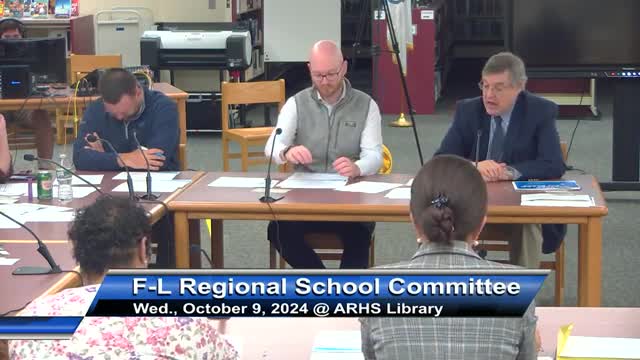
During a recent government meeting, members engaged in a detailed discussion regarding the protocols and legalities surrounding executive sessions. The conversation highlighted the importance of adhering to specific guidelines when discussing sensitive matters related to public officers, employees, and other confidential topics.
The meeting began with a call to address executive sessions, which are private meetings held to discuss issues such as personnel matters, strategy for negotiations, and legal concerns. A key point raised was the necessity of notifying individuals involved at least 48 hours in advance, including weekends and holidays, before discussing their reputation or any complaints against them in an executive session. This requirement aims to ensure transparency and fairness in the process.
Members also discussed the various permissible reasons for entering executive sessions, including strategy sessions for negotiations with non-union personnel, discussions about collective bargaining or litigation, and security matters. It was emphasized that the chair must declare the need for an executive session based on the potential detrimental effects of discussing these issues in public.
Concerns were raised about the potential for violations of open meeting laws, particularly when discussions veer off-topic or involve matters not listed on the agenda. The importance of maintaining order during these sessions was underscored, with the chair being responsible for managing discussions and ensuring compliance with legal standards.
The meeting concluded with a reminder that any perceived violations of open meeting laws should be reported to the attorney general, who would investigate and determine if any actions taken during the executive session could be overturned.
Overall, the discussions underscored the critical balance between confidentiality and transparency in government operations, as well as the need for strict adherence to legal protocols to protect the rights of individuals and the integrity of the governing body.
The meeting began with a call to address executive sessions, which are private meetings held to discuss issues such as personnel matters, strategy for negotiations, and legal concerns. A key point raised was the necessity of notifying individuals involved at least 48 hours in advance, including weekends and holidays, before discussing their reputation or any complaints against them in an executive session. This requirement aims to ensure transparency and fairness in the process.
Members also discussed the various permissible reasons for entering executive sessions, including strategy sessions for negotiations with non-union personnel, discussions about collective bargaining or litigation, and security matters. It was emphasized that the chair must declare the need for an executive session based on the potential detrimental effects of discussing these issues in public.
Concerns were raised about the potential for violations of open meeting laws, particularly when discussions veer off-topic or involve matters not listed on the agenda. The importance of maintaining order during these sessions was underscored, with the chair being responsible for managing discussions and ensuring compliance with legal standards.
The meeting concluded with a reminder that any perceived violations of open meeting laws should be reported to the attorney general, who would investigate and determine if any actions taken during the executive session could be overturned.
Overall, the discussions underscored the critical balance between confidentiality and transparency in government operations, as well as the need for strict adherence to legal protocols to protect the rights of individuals and the integrity of the governing body.
View the Full Meeting & All Its Details
This article offers just a summary. Unlock complete video, transcripts, and insights as a Founder Member.
✓
Watch full, unedited meeting videos
✓
Search every word spoken in unlimited transcripts
✓
AI summaries & real-time alerts (all government levels)
✓
Permanent access to expanding government content
30-day money-back guarantee
