Attorney Misconduct Case Sparks Debate Over Disciplinary Rules
December 05, 2024 | Supreme Court of Texas, Judicial, Texas
This article was created by AI summarizing key points discussed. AI makes mistakes, so for full details and context, please refer to the video of the full meeting. Please report any errors so we can fix them. Report an error »
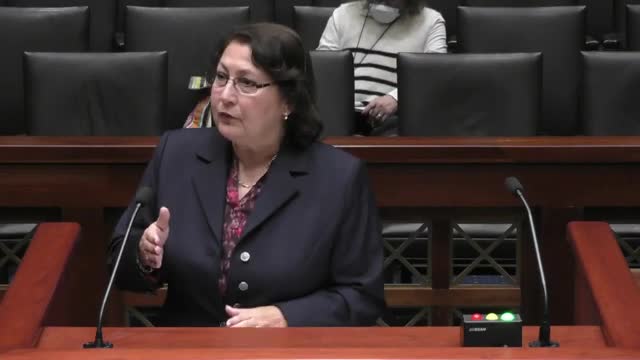
In a recent government meeting, discussions centered on the complexities of attorney discipline and the implications of reciprocal discipline rules. The meeting highlighted a case involving a respondent who faced a suspension that began in 2018 and was set to extend for another six months starting February 7, 2023. The respondent's situation raised questions about the application of rules across different jurisdictions, including Michigan, Texas, and Illinois.
One key point of contention was the interpretation of Rule 1706, which outlines the conditions under which attorneys can be disciplined. The rule includes specific exceptions but does not mention reciprocal discipline. This omission led to debates about whether the same rules should apply uniformly to all Texas attorneys. A cited case, *City of Houston vs. Williamson*, underscored the argument that the absence of language regarding reciprocal discipline implies that it should not be treated differently.
The commission argued that the definition of professional misconduct complicates the situation. They claimed that the four-year statute of limitations for discipline does not begin until an attorney is disciplined in another jurisdiction. This interpretation was challenged, with the opposing side asserting that the definitions of complaints and grievances are clear and should include any misconduct reported from other jurisdictions.
The discussion also touched on the potential consequences of the commission's stance. If the commission's interpretation were upheld, it could lead to situations where attorneys could face disciplinary actions for events that occurred decades prior, undermining the principle of finality in legal proceedings.
Overall, the meeting underscored the need for clarity in the rules governing attorney discipline, particularly regarding reciprocal actions across different states. The outcome of this case could have significant implications for attorneys and the disciplinary process moving forward.
One key point of contention was the interpretation of Rule 1706, which outlines the conditions under which attorneys can be disciplined. The rule includes specific exceptions but does not mention reciprocal discipline. This omission led to debates about whether the same rules should apply uniformly to all Texas attorneys. A cited case, *City of Houston vs. Williamson*, underscored the argument that the absence of language regarding reciprocal discipline implies that it should not be treated differently.
The commission argued that the definition of professional misconduct complicates the situation. They claimed that the four-year statute of limitations for discipline does not begin until an attorney is disciplined in another jurisdiction. This interpretation was challenged, with the opposing side asserting that the definitions of complaints and grievances are clear and should include any misconduct reported from other jurisdictions.
The discussion also touched on the potential consequences of the commission's stance. If the commission's interpretation were upheld, it could lead to situations where attorneys could face disciplinary actions for events that occurred decades prior, undermining the principle of finality in legal proceedings.
Overall, the meeting underscored the need for clarity in the rules governing attorney discipline, particularly regarding reciprocal actions across different states. The outcome of this case could have significant implications for attorneys and the disciplinary process moving forward.
Don't Miss a Word: See the Full Meeting!
Go beyond summaries. Unlock every video, transcript, and key insight with a Founder Membership.
✓
Get instant access to full meeting videos
✓
Search and clip any phrase from complete transcripts
✓
Receive AI-powered summaries & custom alerts
✓
Enjoy lifetime, unrestricted access to government data
30-day money-back guarantee
